
How to Know if You Have Surplus Funds
If you think money may be connected to a past foreclosure or tax sale, the first question is usually simple: How do I know if funds actually exist?
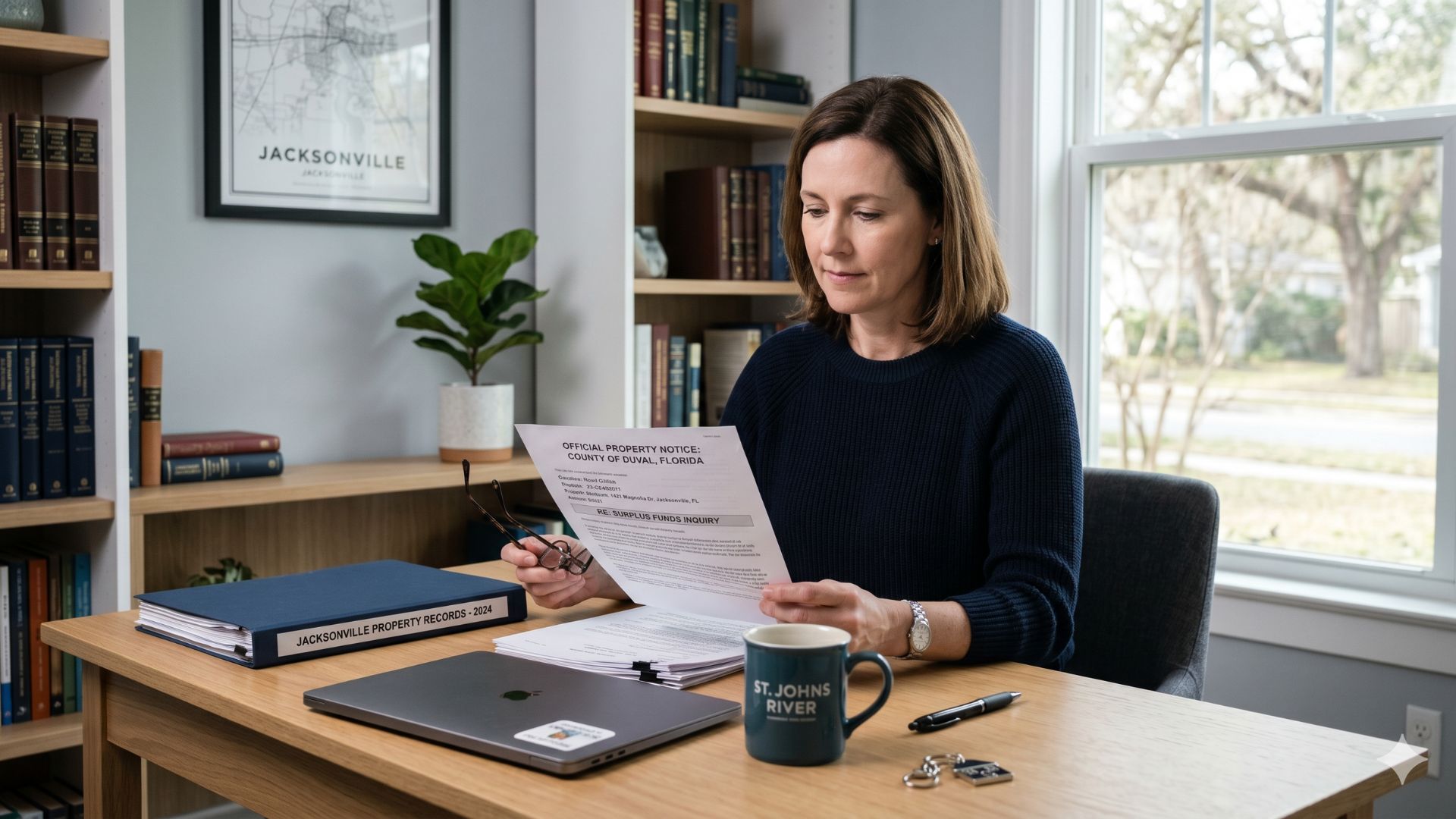
If you think money may be connected to a past foreclosure, tax deed sale, or other property-related process, the first question is usually simple:
How do I know if surplus funds may actually exist in my situation?
"Some people begin researching surplus funds only after receiving an unexpected letter connected to a foreclosure they thought was resolved years earlier."
That is a fair question. It is also where many people start to feel uncertain. You might be an adult child trying to help a parent make sense of a confusing letter. You might be an heir reviewing old paperwork after a family member passed away. Or you might be a former owner who received unexpected mail out of the blue and isn't sure if it's a scam. The goal is not to guess. The goal is to verify whether a past property-related sale may have created leftover funds and whether you may have a valid next step.
Key Takeaways
- Not every foreclosure, tax sale, or property-related sale creates surplus funds.
- A possible claim usually starts with identifying a specific property and a specific sale event.
- Receiving a letter or phone call does not automatically mean you qualify.
- Public records, sale type, claimant relationship, and documentation may all matter.
- The smartest first step is careful review, not assumptions.
How Can You Tell if Surplus Funds May Exist?
In simple terms, surplus funds may exist when a property-related sale brings in more money than what was needed to satisfy certain debts, costs, or other claims tied to that property. But when you're staring at an unfamiliar notice or trying to piece together a past foreclosure, it rarely feels simple.
Important to Understand
The first question is not, "Am I owed money?" The first question is: "Did a sale happen that may have produced funds left over after required amounts were paid?"
What Information Do You Need to Check?

When you're dealing with old property records or unexpected notices, it's easy to feel like you need a law degree to understand what's happening. But before anyone can responsibly evaluate whether surplus funds may exist, it helps to gather a few core details:
- The property address
- The former owner's name
- The county where the property was located
- The approximate date of the sale
- Whether the sale was foreclosure-related or tax-sale-related
Can a Notice, Letter, or Phone Call Be Trusted?

Many people receive notices without knowing whether they are legitimate, relevant, or even connected to a real claim situation. A letter, phone call, or message should be treated as a signal to verify, not as proof that you qualify. Some notices may point to a real property-related issue worth reviewing. Others may be incomplete, misleading, or aggressive. It is completely normal to feel skeptical and protective of your information. A trust-first approach respects your hesitation. Clarity should come before commitment.
"Some people begin researching surplus funds only after receiving an unexpected letter connected to a foreclosure they thought was resolved years earlier."
What Should Be Verified Before Taking the Next Step?
Before you share sensitive information or sign anything, a few things need to be confirmed:
Qualifying Sale
Confirm that a sale actually took place that could create a surplus.
Sale Type
Understand if it was foreclosure or tax-related, as rules vary.
Surplus Amount
Verify if any funds actually remained after required obligations.
Availability
Confirm if the funds are still held and haven't been claimed or moved.
Standing
Review if you have the documented relationship to the claim.
Final Thoughts
Knowing whether you may have surplus funds usually starts with a property, a sale event, and a set of facts that need to be reviewed carefully. It is not just about hearing that money may exist. It is about verifying what happened, whether funds actually remain, and whether you have standing.
If you think a past property case may have left funds behind, the best first move is to review the details carefully before making assumptions or feeling pressured into a decision.
Unsure What to Do Next?
Get a calm, no-pressure review of the available details. We can help you carefully piece together what happened and whether a past property sale still deserves your attention.
Take a Closer LookRelated Educational Guides
Who has the legal standing to claim excess proceeds?
Learn how eligibility works for former owners and heirs
How long do you actually have to claim surplus funds?
Understanding deadlines, practical delays, and older cases
What documents are needed to claim surplus funds?
What paperwork matters for heirs, estates, and former owners