
Who Can Claim Excess Proceeds?
Not everyone connected to a property can automatically claim excess proceeds. Learn how legal standing is evaluated and why careful verification matters.

When a property is sold for more than what was owed, the remaining money is often called excess proceeds.
But knowing that funds were left over does not answer the most important question: who is actually entitled to claim them?
"In some family situations, multiple relatives may believe they have a right to the same funds, especially when ownership history becomes unclear after a death."
It is natural to assume that anyone related to the former owner can step forward. Others receive a notice in the mail and assume it guarantees a payout. The reality is usually more specific. Claiming excess proceeds requires the right documentation and a clear connection to the property.
If you are trying to understand where your family stands, here is a straightforward guide to how eligibility is usually evaluated and why careful verification should always be your first step.
- →Key Takeaways
- →Who Can Claim Excess Proceeds?
- →Is the Former Property Owner Always the First Person Considered?
- →Can Heirs or Family Members Claim Excess Proceeds?
- →What if the Property Owner Has Passed Away?
- →Can Lienholders or Other Parties Have a Claim?
- →Why Doesn't Everyone Connected to the Property Automatically Qualify?
- →What Usually Has to Be Verified Before a Claim Moves Forward?
- →What Documents May Be Needed to Support a Claim?
- →Why a Careful Review Matters
- →What Should You Do if You Think You May Have a Claim?
- →Final Thoughts
Key Takeaways
- Excess proceeds are typically claimed by those with a documented interest in the property.
- Former owners are common claimants, but other recorded debts may take priority.
- Family members can often file a claim, but they usually need specific estate or probate documentation.
- Receiving a notice does not automatically mean you are the right person to claim the funds.
- Eligibility rules change depending on the state, county, and type of sale.
- The smartest first step is a careful review of the facts, not assumptions.
Who Can Claim Excess Proceeds?
When families discover that excess proceeds may exist, the next question is usually, "Are we the right people to claim them?"
Typically, the right to claim excess proceeds belongs to someone who had a documented interest in the property when it was sold. This can become complicated, especially for families trying to untangle old records or understand what happened years ago.
A personal connection or a family relationship is a starting point, but it usually is not enough by itself. What matters is whether the records and required documentation support your right to pursue the funds.
The most common claimants include former property owners, documented heirs, estate representatives, and sometimes lienholders. However, simply falling into one of these categories does not guarantee a payout. The history of the property always plays a role.
Is the Former Property Owner Always the First Person Considered?
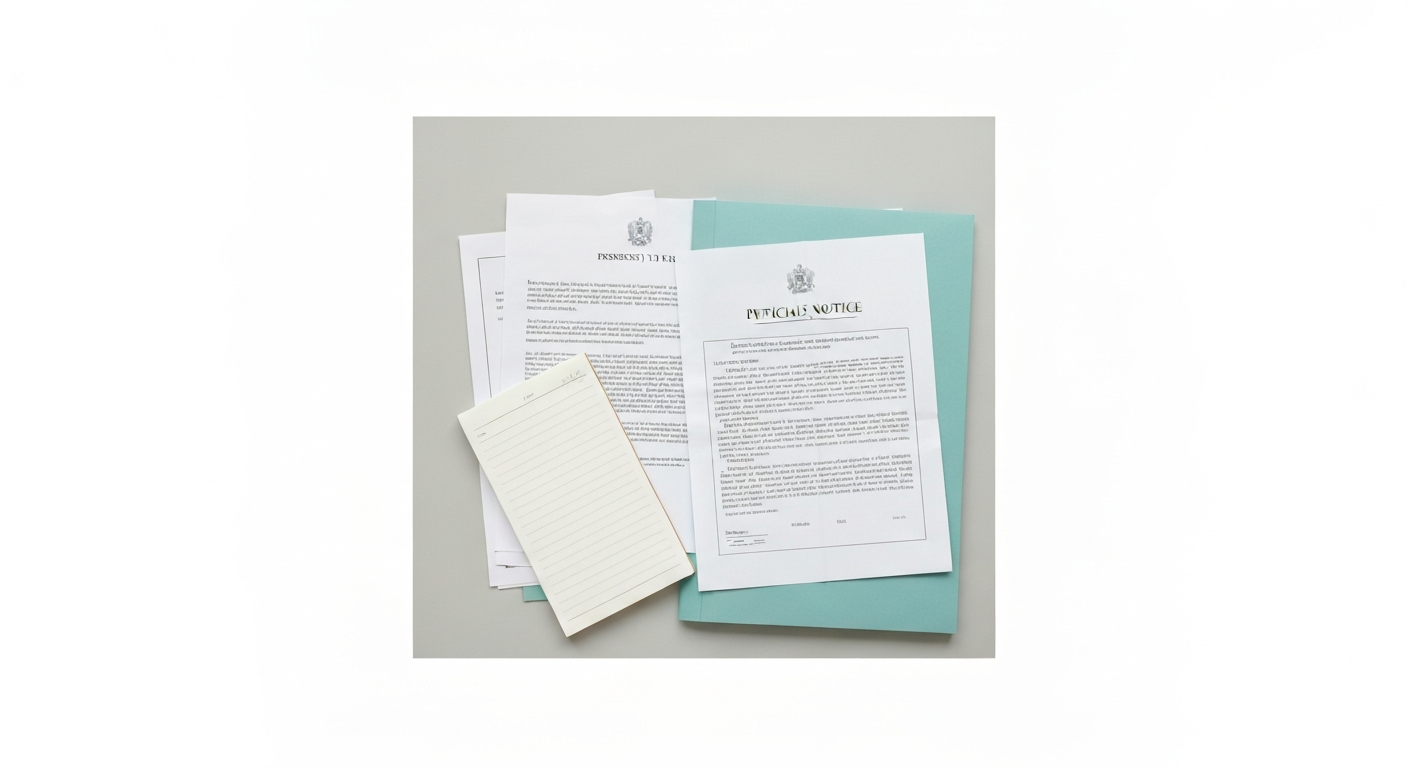
It is natural to assume that the former owner is always the first person in line to be paid. While former owners frequently have a strong claim to excess proceeds, they are not always the only party involved.
If the property had other mortgages, unpaid taxes, or recorded judgments attached to it, those obligations might need to be resolved before the former owner receives anything.
In some situations, multiple parties may believe they have a claim to the same funds, which can create confusion if the property history is not reviewed carefully.
This is why looking at the property's history is essential before making any assumptions about who gets paid. Former owners often need to verify that no other claims take priority.
Can Heirs or Family Members Claim Excess Proceeds?
Yes, family members can often pursue a claim for surplus funds, but this is where families often feel the most overwhelmed.
Being a close relative is a meaningful connection, but courts and counties require a documented legal connection. You might be the closest living family member, but the process still requires specific proof to move forward. This can feel frustrating for adult children trying to help after a death or sort out unclear ownership history.
If you are trying to figure out who can claim surplus funds after a relative's property was sold, you will usually need to prove your relationship and your right to act on their behalf.
Important to Understand
This often requires specific paperwork, which is why family-related claims can take more time and careful attention. Assumptions can create problems if the documentation is not gathered correctly.
"In some family situations, multiple relatives may believe they have a right to the same funds, especially when ownership history becomes unclear after a death."
What if the Property Owner Has Passed Away?

If you are trying to handle this for a parent or relative who has passed away, the process often requires a few more steps, and it is completely normal to feel uncertain about where to begin.
The claim usually becomes an estate matter. Depending on the state and county, you might need to provide specific affidavits of heirship or go through a probate process. Family disagreements or missing wills can make this even more complex.
Many families get frustrated here because they believe their connection is obvious, but the county requires formal proof. Not every claimant situation is straightforward.
Understanding what the county needs early on can prevent unnecessary delays and confusion. A careful review helps clarify what is actually required.
Can Lienholders or Other Parties Have a Claim?
Yes. In many situations, parties other than the owner have a right to the funds. This is why careful review matters before assumptions are made.
For example, if you are asking who can claim foreclosure surplus funds, a second mortgage lender, a homeowners association, or a contractor with a recorded lien might have a valid claim.
The rules about who gets paid first—and how much they get—depend entirely on the guidelines for that specific type of sale and the recorded history.
This is another reason why receiving a notice does not guarantee that the money belongs only to you. Former owners are often surprised to learn that other parties are also in line.
Why Doesn't Everyone Connected to the Property Automatically Qualify?

Many families wonder why the process isn't simpler. If you are related to the owner, shouldn't you just get a check? It can feel unfair when documentation gets in the way of common sense.
The reality is that counties and courts are required to distribute funds only to those who can prove they are the right person. They are protecting the funds from fraudulent claims.
They cannot rely on a phone call or a family belief. They rely on recorded deeds, court orders, and verified identities.
If you cannot provide the right documentation, your claim will likely be rejected, regardless of your personal connection to the property. This is why having a clear understanding of the requirements is so important.
What Usually Has to Be Verified Before a Claim Moves Forward?
Before anyone can confidently say a claim is valid, a few practical details need to be checked. Assumptions can create false hope.
First, you need to verify who can claim tax sale overages or foreclosure funds under the specific rules of that county.
Next, you need to confirm whether any deadlines have passed. Older situations can expire if the funds are transferred to a state's unclaimed property system.
Finally, you need to check if there are any competing claims that might take priority over yours. A careful review helps uncover these details before you invest time and effort.
What Documents May Be Needed to Support a Claim?
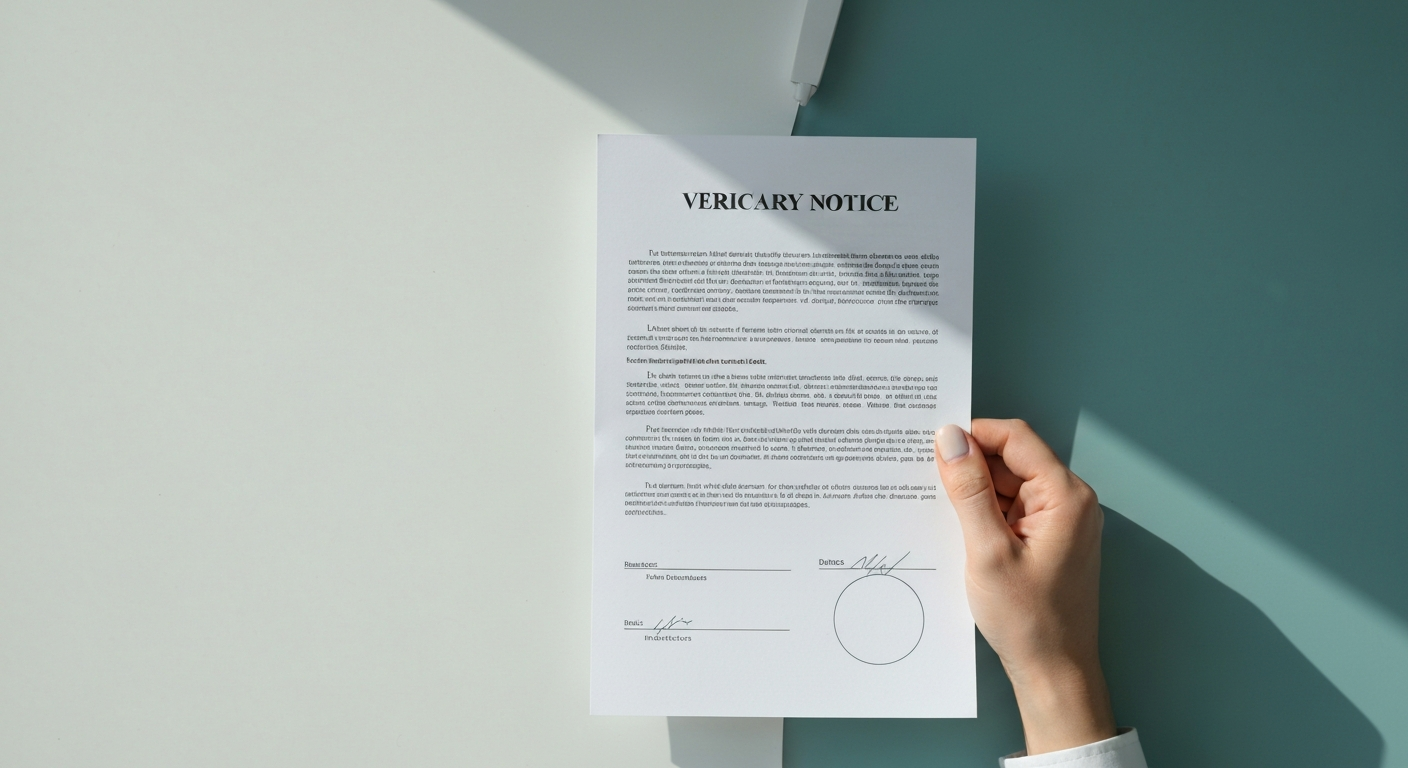
The right paperwork is what turns a possible claim into a real one. This is often the most confusing part for families.
A former owner might need to provide a government-issued ID, proof of prior residency, and a notarized claim form.
An heir might need a death certificate, a will, letters of administration, or a probate court order. Gathering these documents can feel overwhelming, especially when dealing with the loss of a loved one.
Without the appropriate documents, even the most legitimate claim cannot move forward.
Why a Careful Review Matters
If someone has reached out promising a guaranteed payout, it makes sense to be cautious. Families often feel pressured to act quickly without fully understanding their rights.
A legitimate process starts with a careful review of the facts, not a high-pressure sales pitch.
You need to understand the exact nature of the sale, the current status of the funds, and your true connection to the property before you sign anything.
Taking the time to review the situation protects you from false hope and unnecessary complications. It allows you to move forward with confidence.
What Should You Do if You Think You May Have a Claim?

If you think you might be the right person to claim excess proceeds, there is no need to rush into a decision, but it is wise to start seeking clarity.
Gather any notices you have received, the property address, and any documents related to the former owner.
Then, seek a clear, no-pressure review of the situation to understand where you stand.
A professional review can help you determine if you have a valid claim without requiring you to navigate the complexities alone.
Final Thoughts
Figuring out who is entitled to excess proceeds is really about moving past assumptions and looking at the facts.
While former owners and heirs often have a valid path forward, eligibility always depends on the specific details of the sale and the records involved.
You do not need to guess or figure it out entirely on your own, especially if the situation involves a family member's estate.
By starting with a careful, documented review, you can approach the process with clarity and confidence.
Unsure Where Your Family Stands?
Get a calm, no-pressure review of the details you have so far. We can help you carefully untangle the records and understand what may apply to your situation.
Take a Closer LookFind Surplus Funds is operated by My Refund Specialists, LLC. This article is for educational purposes only and does not constitute legal advice.
Related Educational Guides
How to know if a past sale created leftover funds
Learn what signs to look for and what to verify first
How long do you actually have to claim surplus funds?
Understanding deadlines, practical delays, and older cases
What documents are needed to claim surplus funds?
What paperwork matters for heirs, estates, and former owners